Author:克亮 · Original source: https://bbs.deepin.org/post/291009
Last issue address: https://bbs.deepin.org/post/290919
Following the end of the previous issue, how to use the local UnionTech compatibility engine to package the downloaded EXE file into deb and then convert it into a Linyaps package is actually very simple.
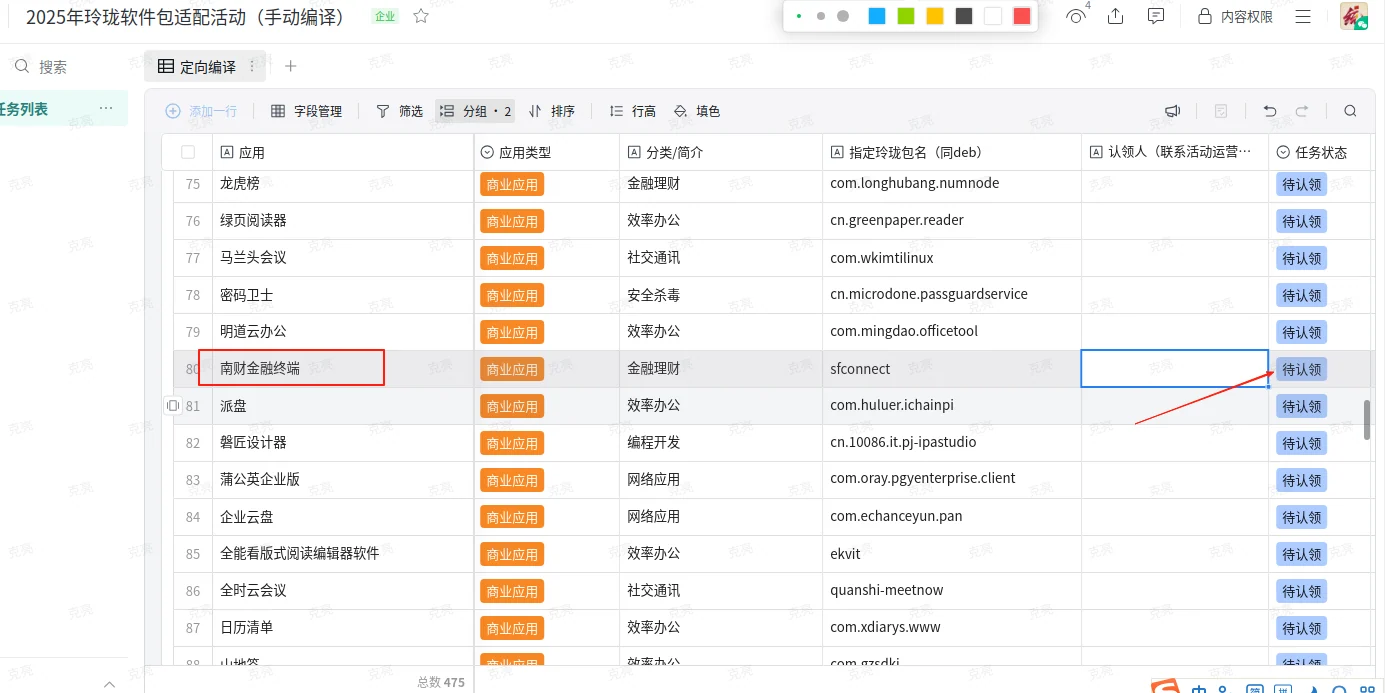
We follow the rhythm of packaging tasks and focus on the official release🍥 Specify application manifest Choose one randomly depending on which one you like. Let’s choose commercial application as an example. Nancai Financial Terminal
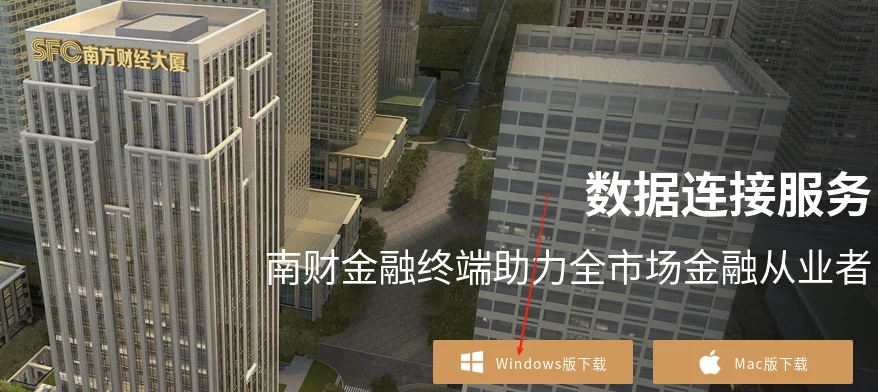
First find the official website of Nancai Financial Terminal https://sfconnect.sfccn.com/ Find the Windows version and download it locally.
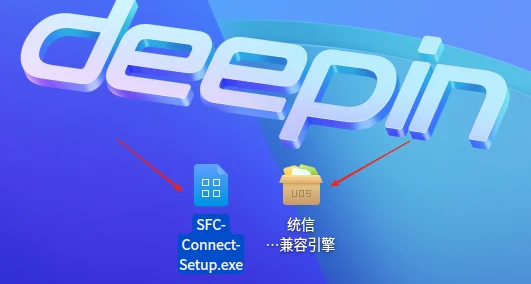
Then use the compatible engine to open the installation. There are two methods. The first method is to double-click the EXE file directly and install it just like the Windows system. The next step... is completed.
The second method is to open the UnionTech Windows application compatibility engine and add an application in the upper right corner.
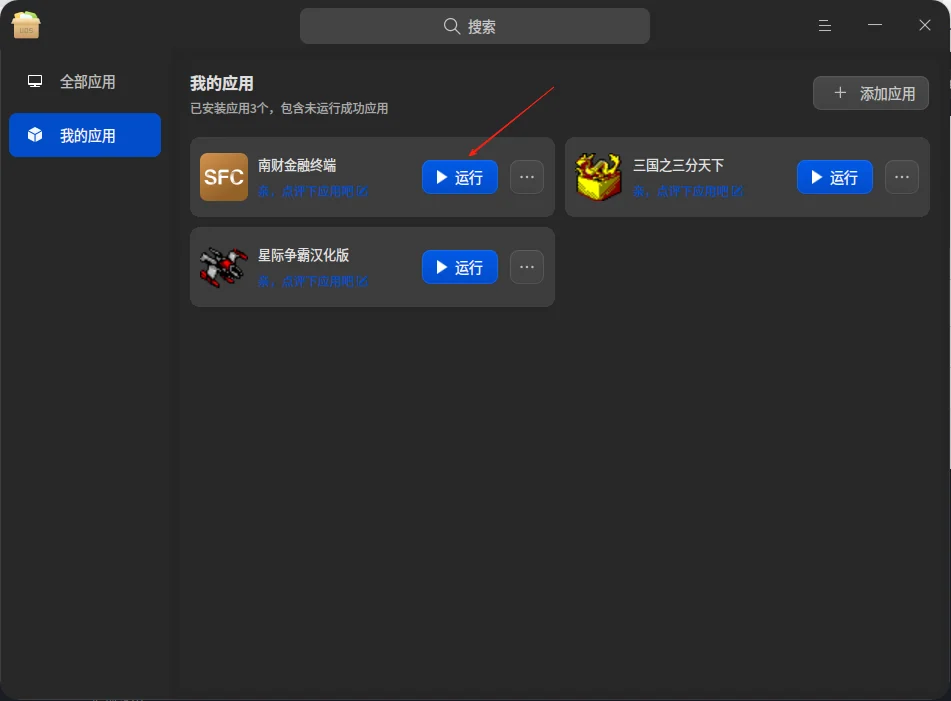
After the installation is complete, the picture is as follows: Click Run, the software can open normally, but the next step is very important.
Because the current wine version of Linyaps only supports deepin-wine8-stable , the default installation may use the latest version of the compatible engine deepin-wine10-stable,
We need to modify it to be compatible with Linyaps version as shown below
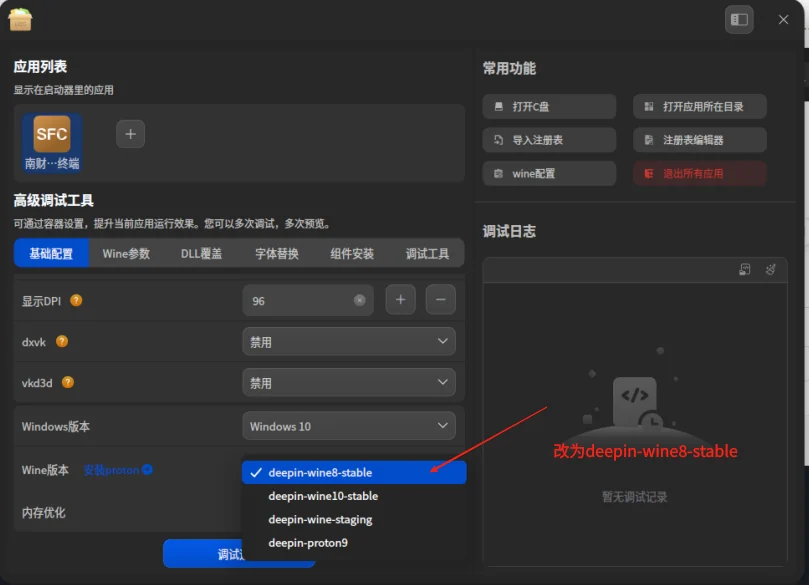
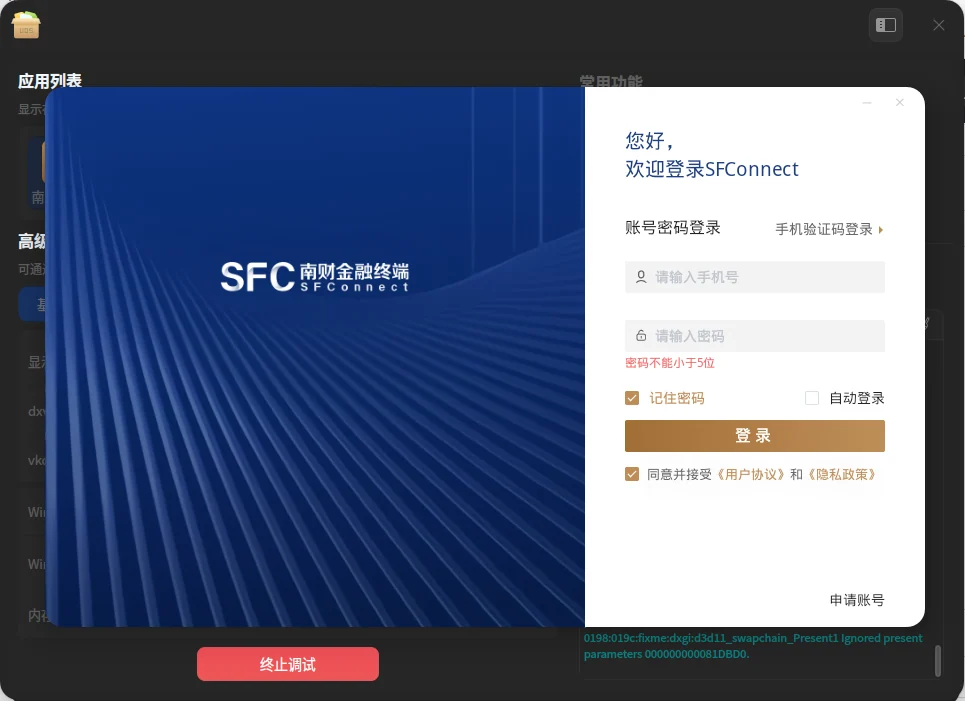
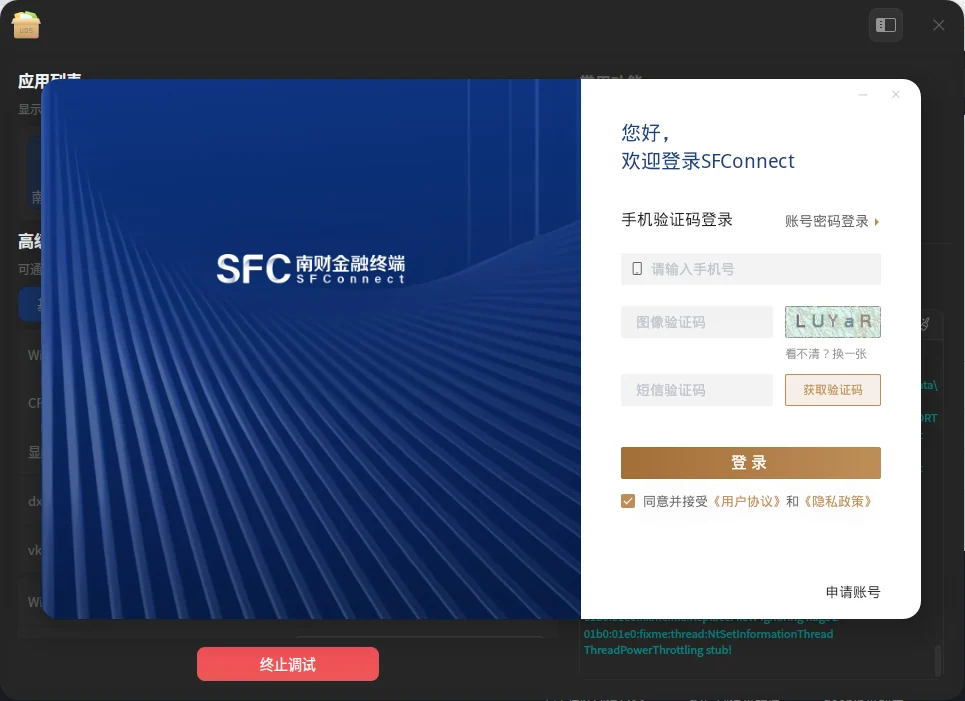
Select deepin-wine8-stable for the wine version, click Debug and Run, and the program runs normally.
The next step is to use the UnionTech Windows Application Compatibility Engine to package the just installed software into a deb installation package. The operation is as follows
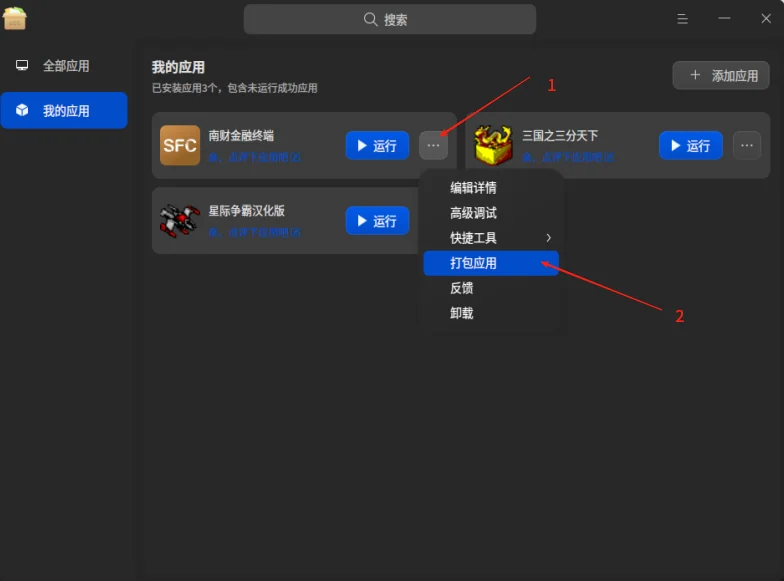
The following is demonstration data, please fill it in according to the specific conditions of the respective software.
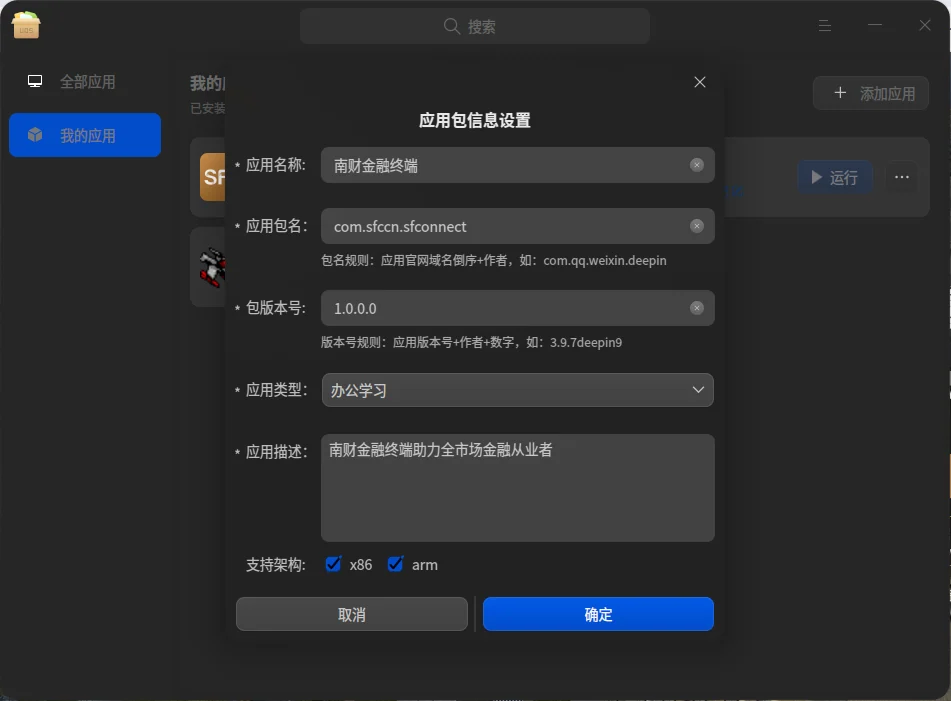
After successful packaging, it will be displayed as shown below. At the same time, a deb format installation package of Nancai Financial Terminal will be obtained on the desktop.
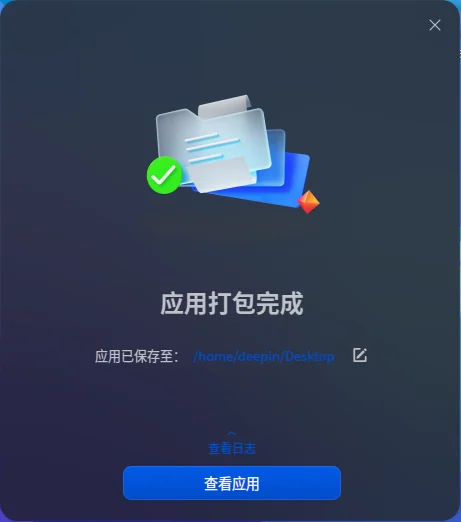
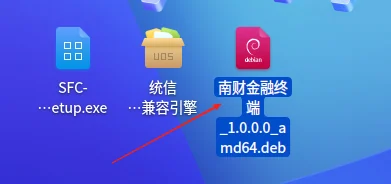
With this deb installation package, the next step is very simple. Create a new folder on the desktop and name it Nancai Finance (the name can be arbitrary)
According to the wine public linglong.yaml of the previous issue, we only need to modify 2 places, as shown below
linglong.zip Here is the modified linglong.yaml file. The id name can be changed at once using text batch replacement. Pay attention to the script name. 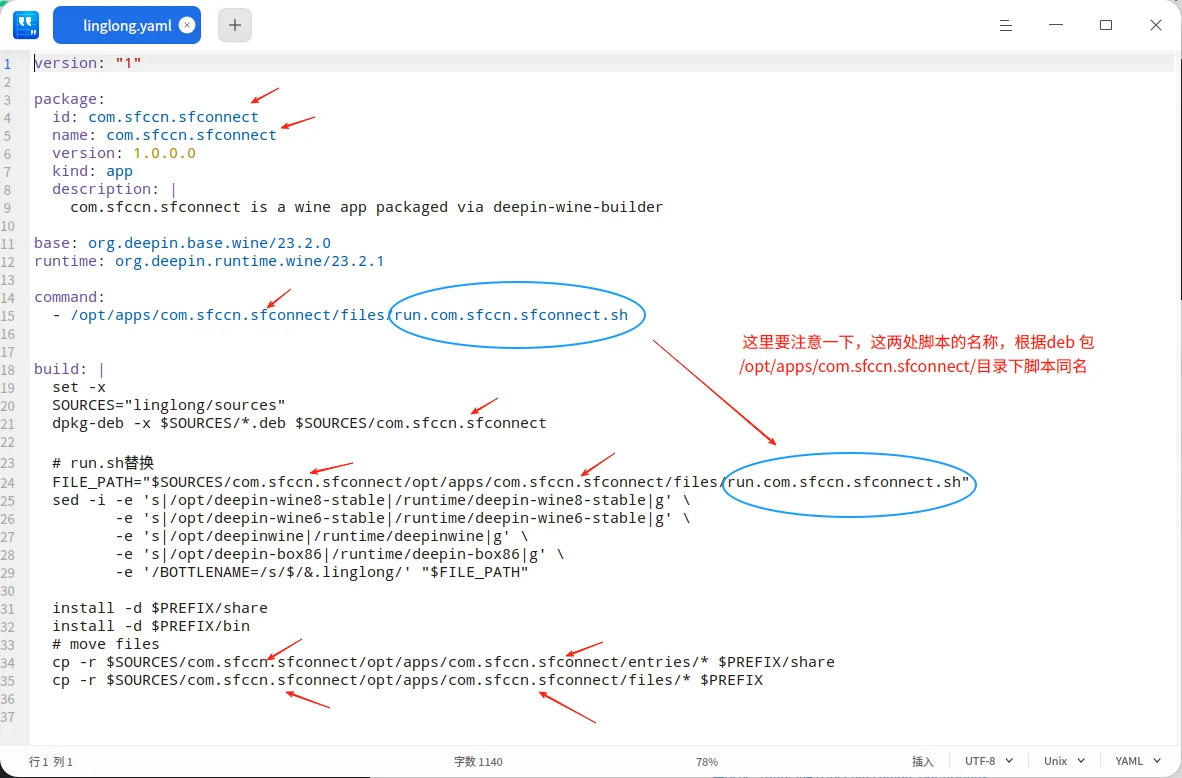
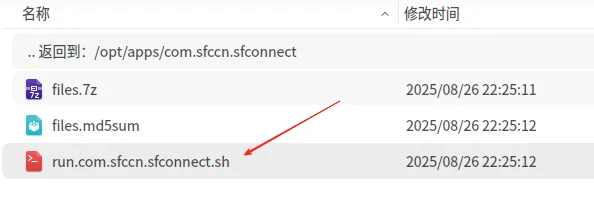
With the template and deb package, the next step is very simple.
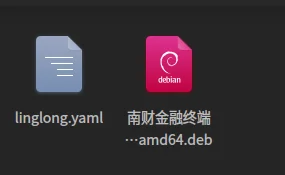
Right-click in the current directory to open terminal input
Create the linglong folder and sources. You can create it manually or with commands.
mkdir -p linglong/sources
mv *.deb ./linglong/sources
Here I use wildcard characters to move the deb installation package in the current directory to the linglong/sources directory.
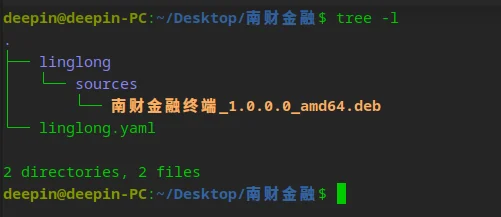
The next step is very simple. It only takes two steps to complete the task.
Enter commands in the current terminal
ll-builder build
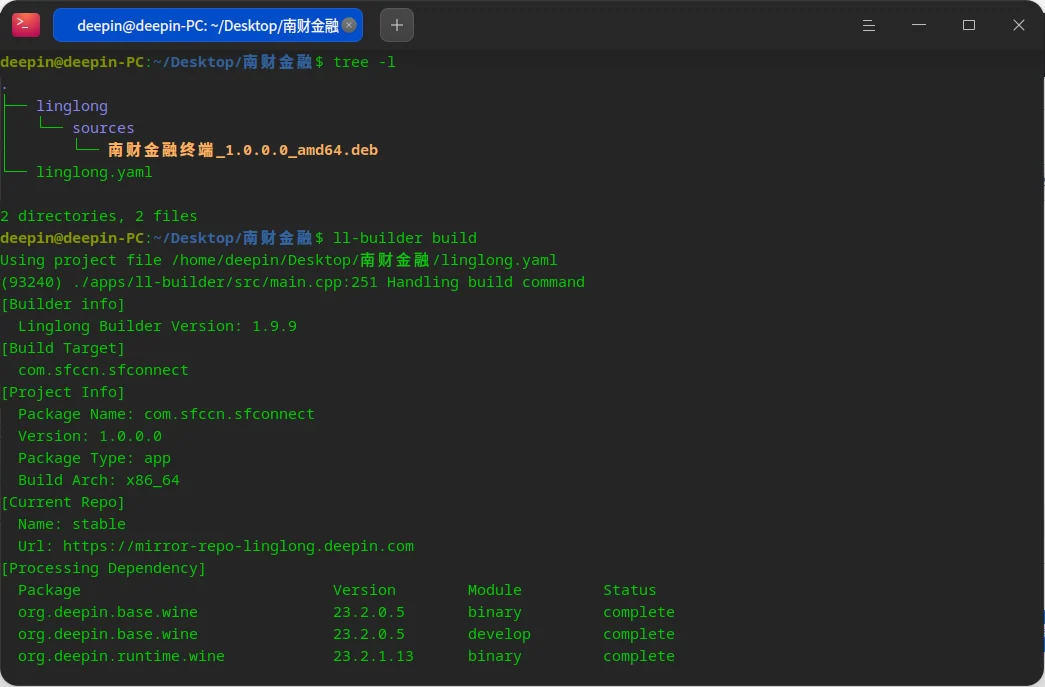
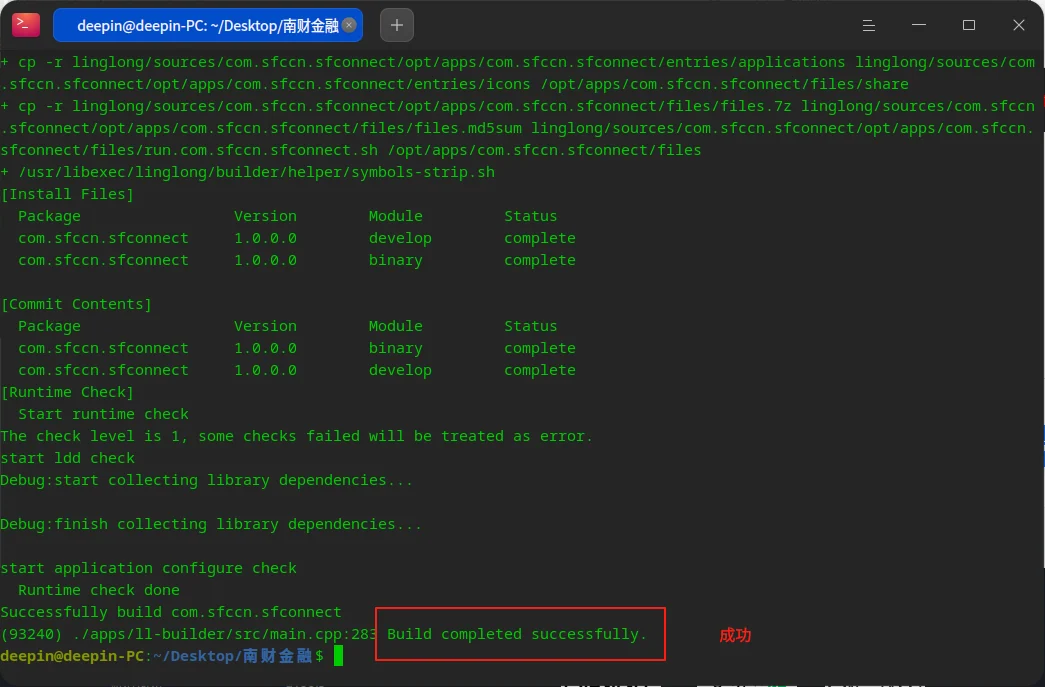
See Build completed successfully! Then the construction has been completed. Next, execute the export and build it into a Linyaps format package.
Execute ll-builder export –layer
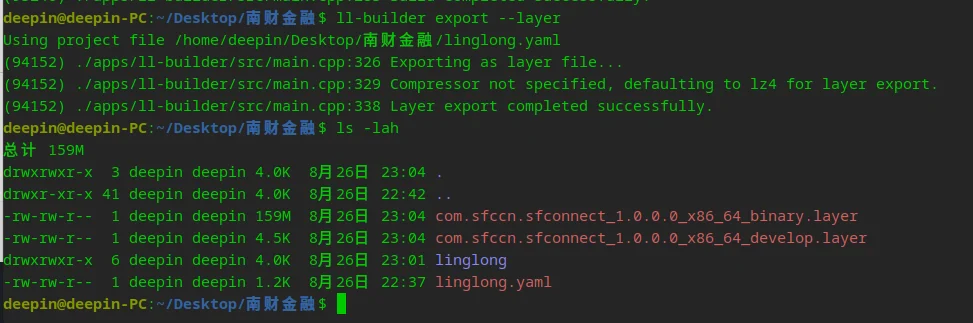
The installation part is skipped here. . . . Isn’t it very simple, just 2 things to pay attention to,
1. The compatible engine currently only supports deepin-wine8-stable
2. The default startup script in the template is run.sh. This depends on the deb package /opt/apps/$app_id/run.app_id.sh
If you encounter problems later in the packaging process, you can also post it! ! !
English edition: Linglong editorial · 18 October 2026. Original publication: 2025-08-25.